 Whatsapp

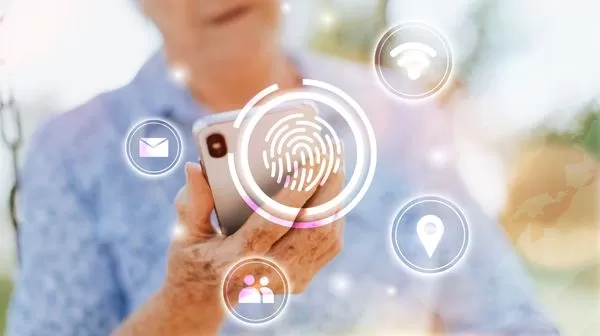
In a world where digital transformation is reshaping everything, security can no longer rely on keys, cards, or passwords alone. These traditional methods can be lost, stolen, or duplicated—leaving critical gaps in protection. Imagine an office where an employee misplaces their access card, or a data center where passwords get compromised. The consequences could be disastrous.
This is where biometric security systems step in. By using unique human characteristics such as fingerprints, facial features, or iris patterns, biometrics offer a fast, secure, and foolproof way of verifying identity. They eliminate the risk of duplication and provide unmatched convenience for both individuals and organizations.
A biometric security system is a technology that uses unique biological traits of individuals to verify their identity. Unlike keys or cards, which can be shared or stolen, biometric identifiers are unique to each person and nearly impossible to replicate.
Common biometric methods include:
Yes. Biometric data is stored in encrypted form and cannot be reverse-engineered to recreate the original traits.
It’s nearly impossible. Unlike keys or passwords, biometric traits are unique and highly secure.
Yes, advanced systems are designed to work in varied lighting, temperature, and even with minor changes in appearance.
Absolutely. Many organizations use biometrics for time and attendance, ensuring accuracy and eliminating proxy attendance.
Yes. They integrate seamlessly with access control, CCTV, and IT networks.
Biometric security systems are no longer futuristic—they are the present and future of secure identity management. Offering unmatched accuracy, convenience, and integration, biometrics are transforming how we protect workplaces, institutions, and sensitive facilities.
Leave a Reply
Your Email address will not be published